The 48 Wuxia Field Notes
Explore the martial concepts, unwritten Jianghu codes, meridian systems, classical blades, and Kungfupunk lore behind Phantom Blade Zero and Where Winds Meet. Every entry includes native Mandarin audio pronunciation and verified historical context.
Showing all 48 field notes
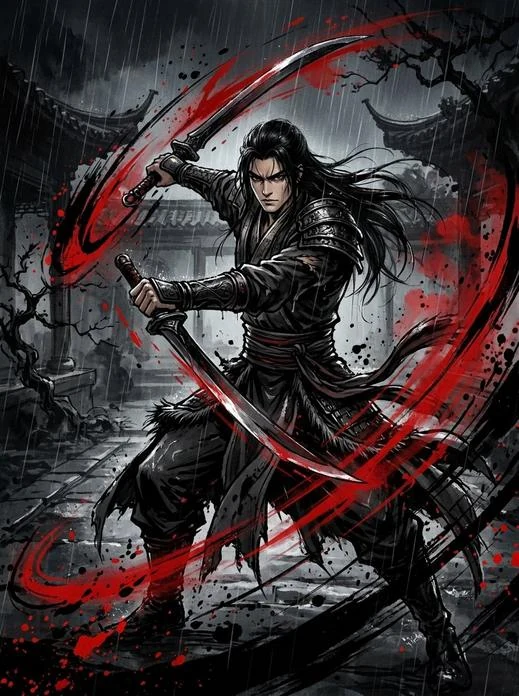 FIELD NOTE 01 / 48
武侠
Wuxia: Martial Chivalry
Wuxia fuses wu (martial skill and lethal discipline) with xia (chivalric conscience outside the law)—creating a genre where every blade drawn answers a moral debt.
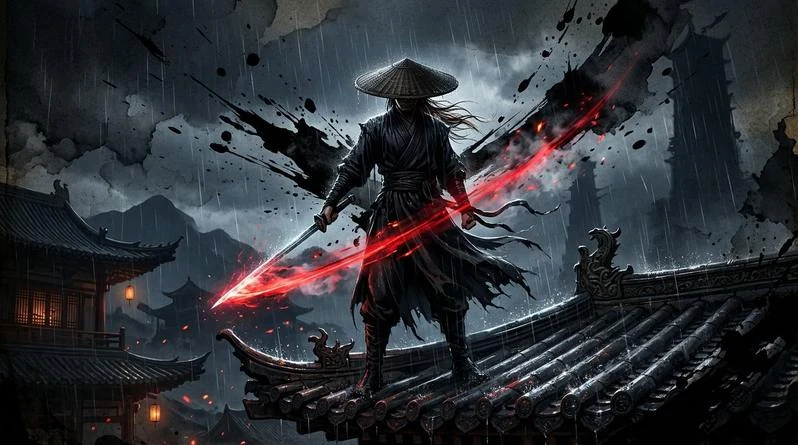 FIELD NOTE 02 / 48
江湖
Jianghu: The World Beyond the Court
Literally 'Rivers and Lakes,' the Jianghu is not a kingdom on any imperial map—it is the parallel underworld of wandering swordsmen, rival sects, taverns, and unwritten codes beyond the Emperor's reach.
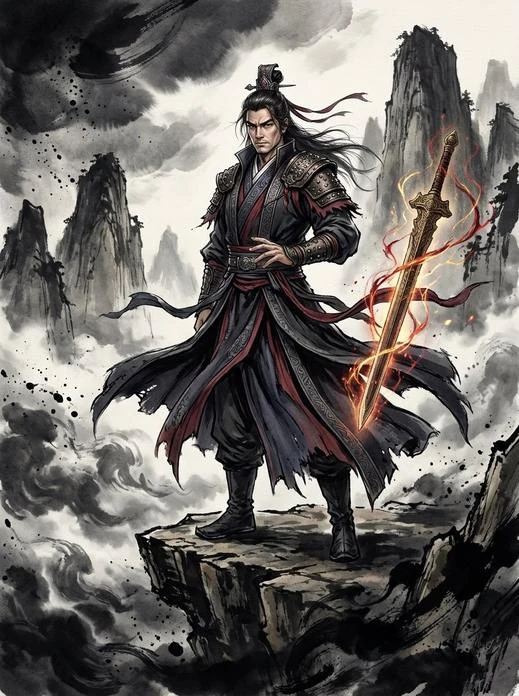 FIELD NOTE 03 / 48
侠客
The Xia: Knight-Errant
A xia is defined not by noble birth or military rank, but by the willingness to risk one's own life for a stranger's justice when the law looks away.
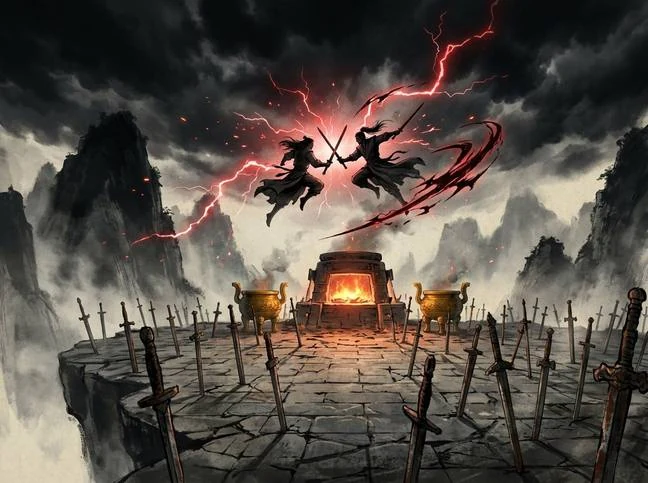 FIELD NOTE 04 / 48
武林
Wulin: The Martial Community
Literally the 'Martial Forest,' Wulin refers specifically to the organized network of martial arts sects, clans, tournaments, and ranking ledgers within the wider Jianghu.
 FIELD NOTE 05 / 48
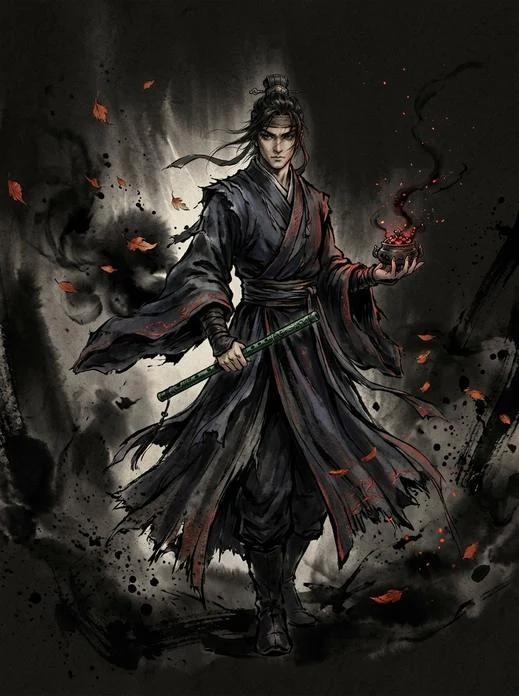
武侠与仙侠
Wuxia and Xianxia
Wuxia is grounded in mortal steel, human meridians, and chivalric tragedy; Xianxia ascends into Daoist immortality, flying swords, cosmic tribulations, and gods.
 FIELD NOTE 06 / 48
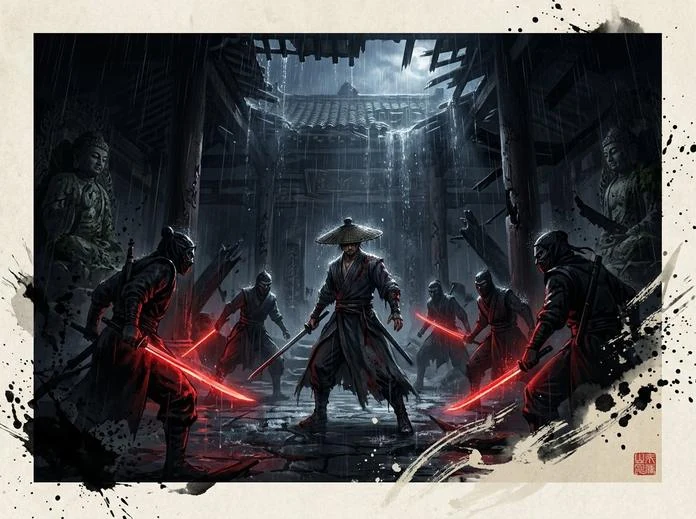
武侠功夫片
Wuxia, Kung Fu and Martial Arts Cinema
Within Chinese action cinema, wuxia swordplay and bare-handed kung fu evolved as twin branches—one soaring with steel and wirework poetry, the other grounded in bone-crushing impact.
 FIELD NOTE 07 / 48
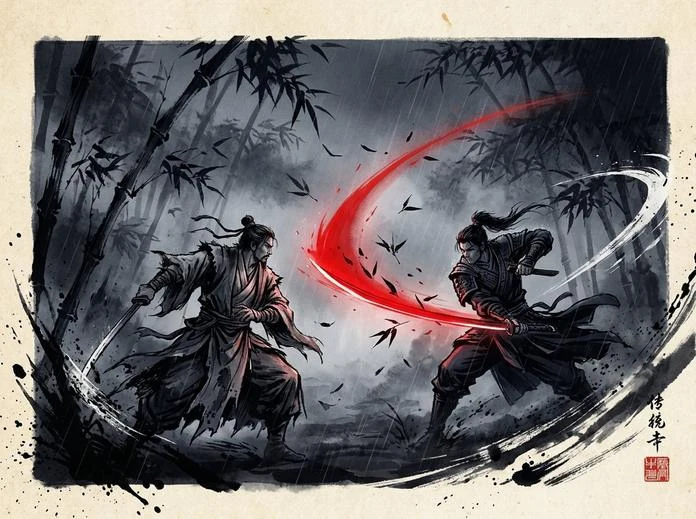
师父与师承
Shifu and Lineage
In the martial world, 'Shifu' means both Teacher and Father—binding master and disciple in a bloodline of secret techniques, lifelong loyalty, and inherited vendettas.
 FIELD NOTE 08 / 48
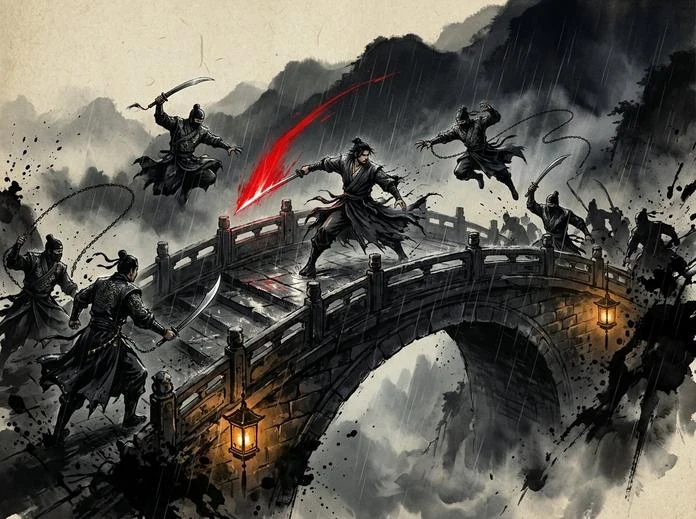
门派
Schools and Sects
A Menpai (martial sect or school) is part monastic academy, part sworn clan, and part armed syndicate—each guarding its own philosophy, precept code, and signature weapons.
 FIELD NOTE 09 / 48
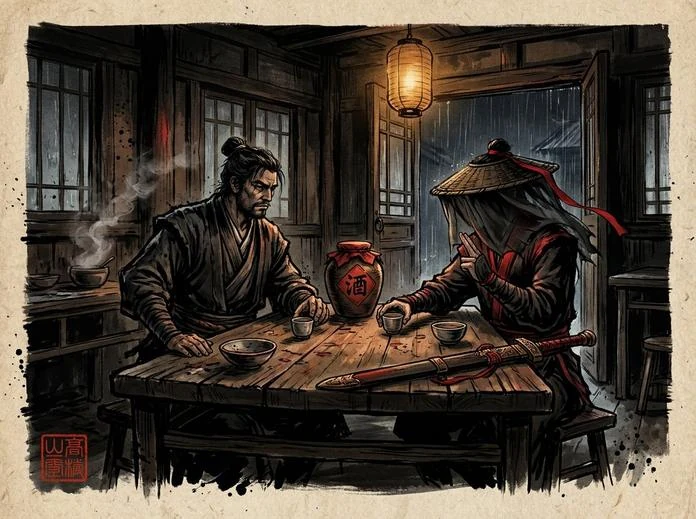
江湖规矩
The Unwritten Codes of Jianghu
Where imperial magistrates have no jurisdiction, the Jianghu governs itself through ironclad customs: teacup ciphers, the fist-and-palm salute, and the law of blood repayment.
FIELD NOTE 10 / 48
拜师学艺
Baishi: Becoming a Disciple
Baishi is the solemn initiation rite—marked by three bows, offered tea, and a written lineage scroll—that transforms an outsider into a sworn inheritor of a martial art.
 FIELD NOTE 11 / 48
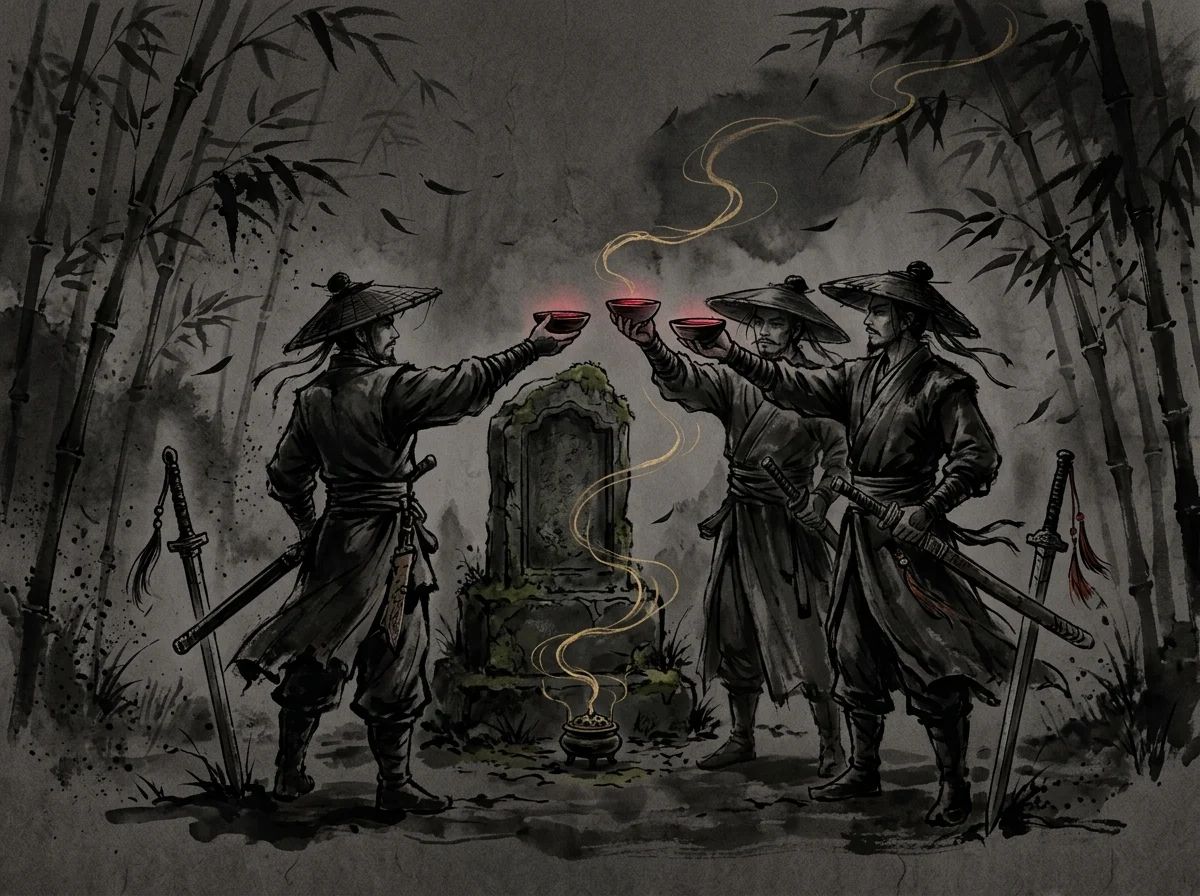
义结金兰
Oaths and Sworn Brotherhood
Sealed by mingled blood in bowls of wine before an open sky, sworn brotherhood or sisterhood creates a bond stronger than blood kinship—and the most devastating vector for betrayal.
 FIELD NOTE 12 / 48
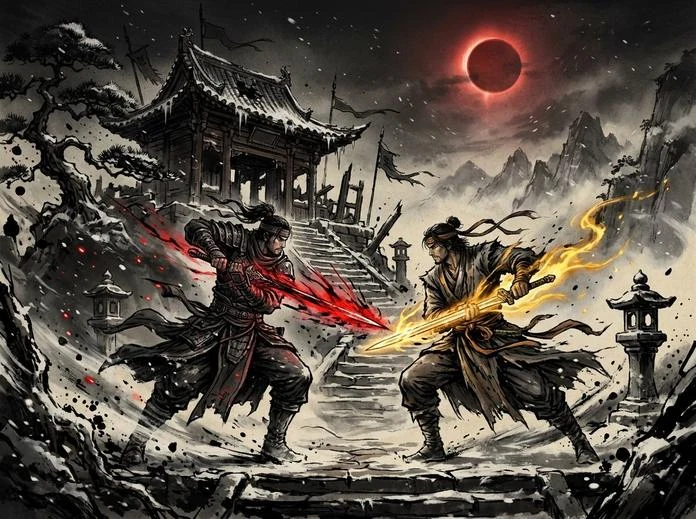
快意恩仇
Revenge, Mercy and Repayment
Kuaiyi Enchou—settling every kindness and every blood feud with unrestrained clarity—drives the engine of wuxia, until the hero realizes that vengeance consumes the avenger.
 FIELD NOTE 13 / 48
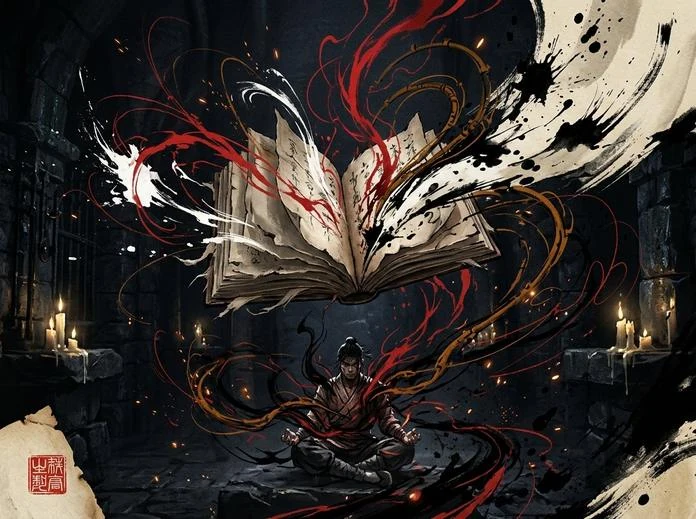
内功心法
Neigong: Internal Practice
While external martial arts train bone, muscle, and blade geometry, Neigong cultivates the invisible internal engine of breath, mental stillness, and vital Qi.
 FIELD NOTE 14 / 48
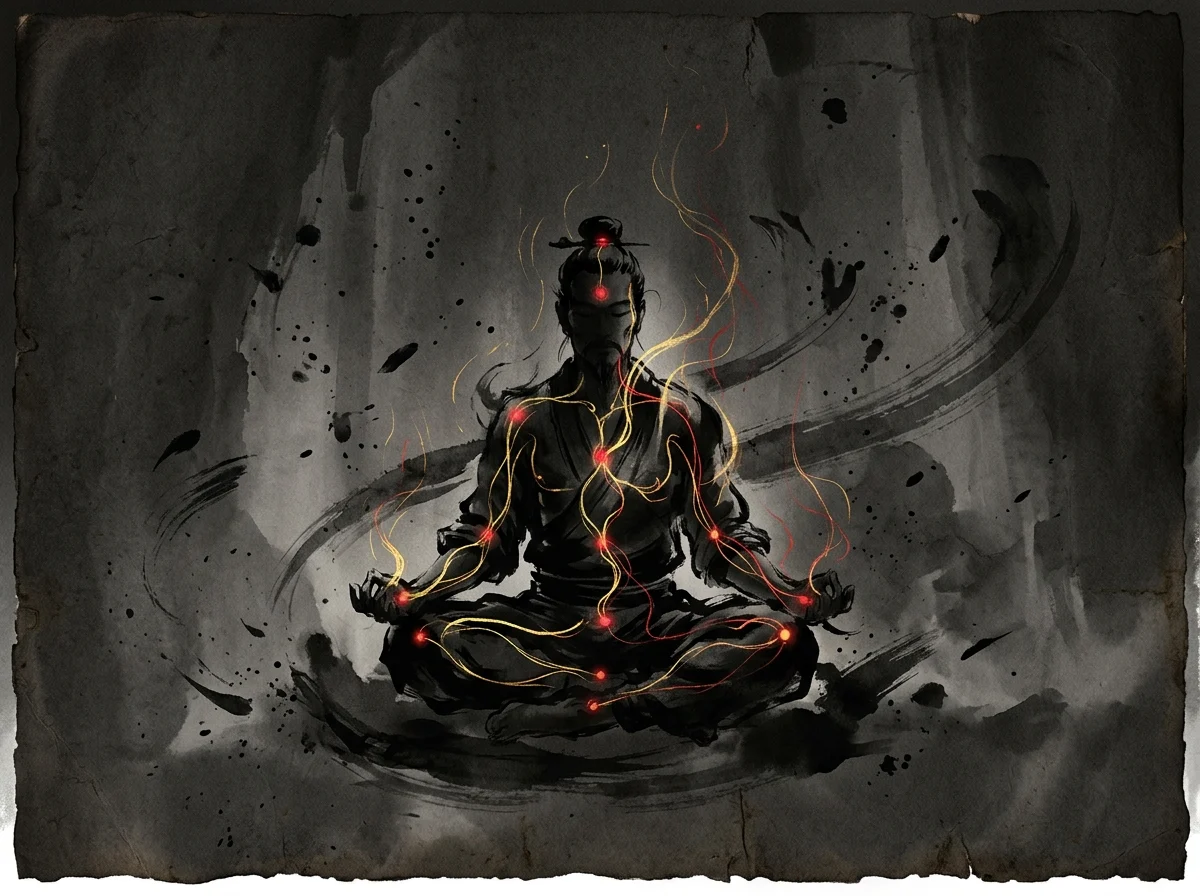
气与内力
Qi, Neili and Inner Power
Qi is the universal vital breath flowing through all living things; Neili is that breath refined, compressed, and weaponized inside a martial artist's dantian.
 FIELD NOTE 15 / 48
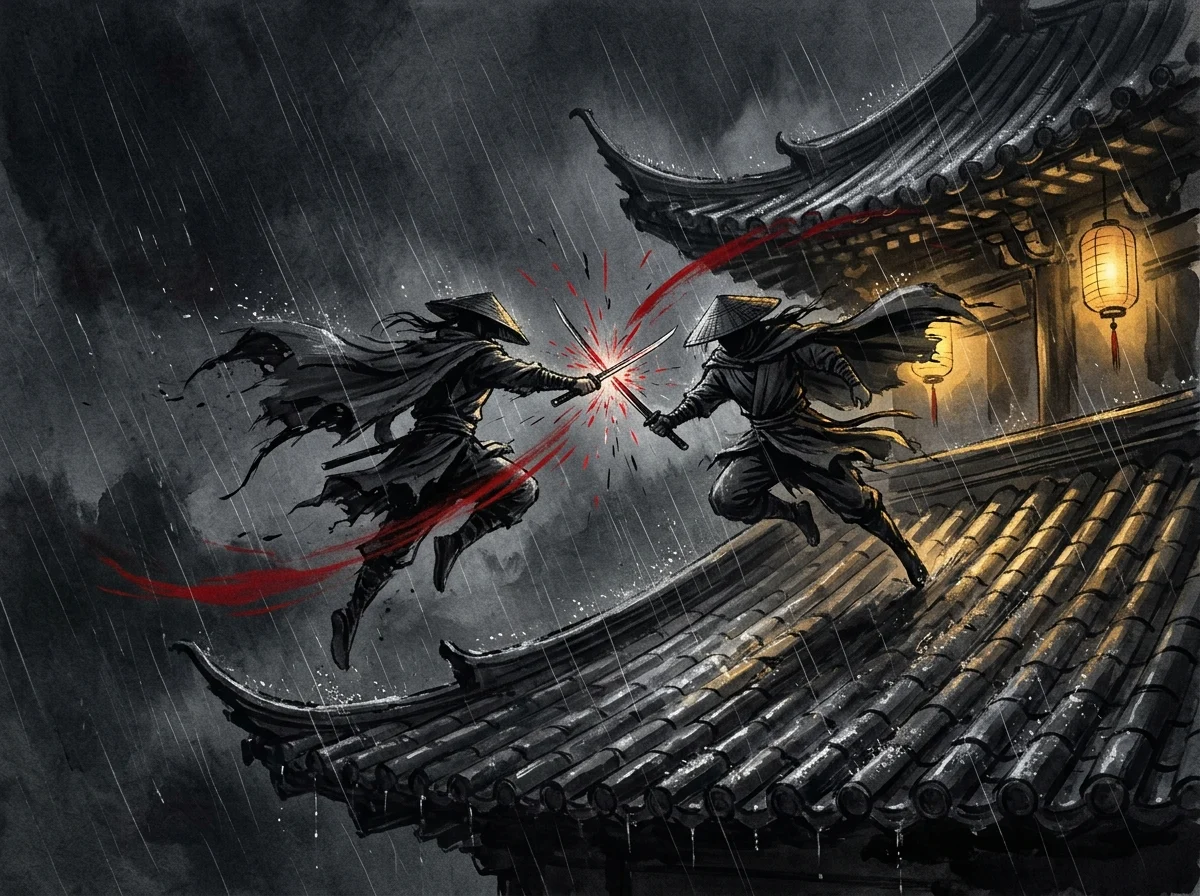
轻功水上漂
Qinggong: The Art of Lightness
Qinggong—the 'Art of Lightness'—is wuxia's most poetic visual signature: warriors vaulting up vertical tavern walls, skimming across lotus lakes, and dueling atop bending bamboo.
 FIELD NOTE 16 / 48
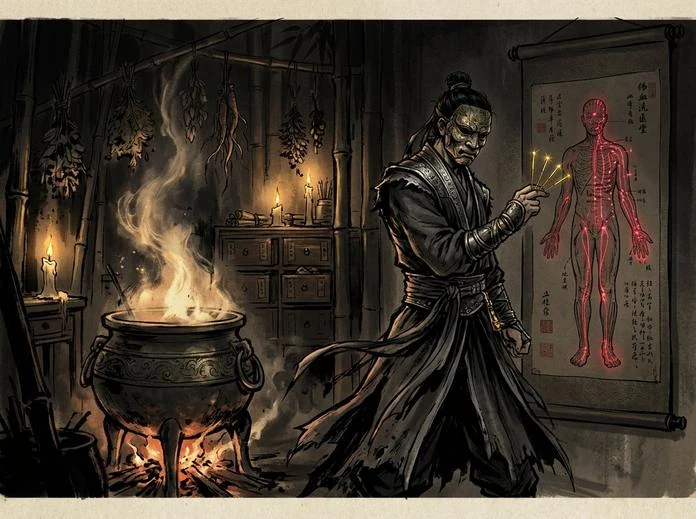
奇经八脉
Meridians in Traditional Thought
The Twelve Standard Channels and Eight Extraordinary Meridians (Qijing Bamai) form the internal highway system of the wuxia body—where unblocking the Ren and Du vessels marks the birth of a grandmaster.
 FIELD NOTE 17 / 48
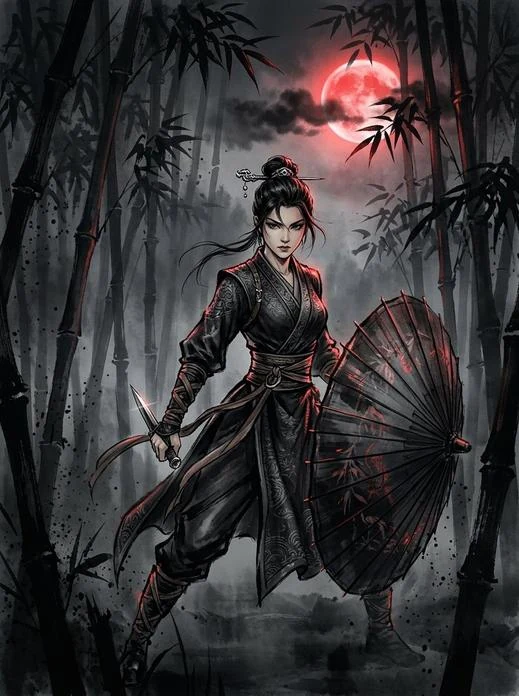
点穴截脉
Dianxue: Pressure Points in Fiction
With two rapid finger strikes to a meridian node, a master of Dianxue can freeze an opponent in mid-air, silence a witness, or seal a fatal arterial bleed.
FIELD NOTE 18 / 48
武功秘籍
Manuals, Secret Skills and Cultivation
Hand-copied on silk, carved into cave walls, or hidden inside a lacquered lute, a secret martial manual (Miji) is the ultimate catalyst of Jianghu bloodshed.
 FIELD NOTE 19 / 48
剑与刀
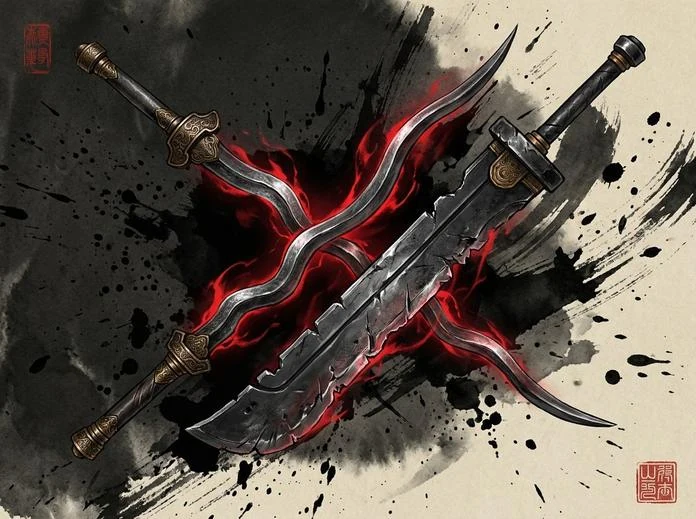
Jian and Dao
The double-edged Jian is the 'Gentleman of Weapons'—demanding years of wrist finesse and precision; the single-edged Dao is the ' Marshal of All Blades'—built for ferocious, armor-cleaving resolve.
FIELD NOTE 20 / 48
枪戟长兵
Spears, Halberds and Polearms
'An inch longer is an inch stronger'—from Warring States bronze halberds (Ge) to the red-tasseled waxwood spear (Qiang), polearms rule the open battlefield and the fortress gate.
FIELD NOTE 21 / 48
拳法与棍术
Staff and Unarmed Traditions
The staff is the 'Ancestor of All Weapons' and the bare fist is the foundation of every strike—proving that a master needs no sharp edge to command the Jianghu.
 FIELD NOTE 22 / 48
暗器与唐门
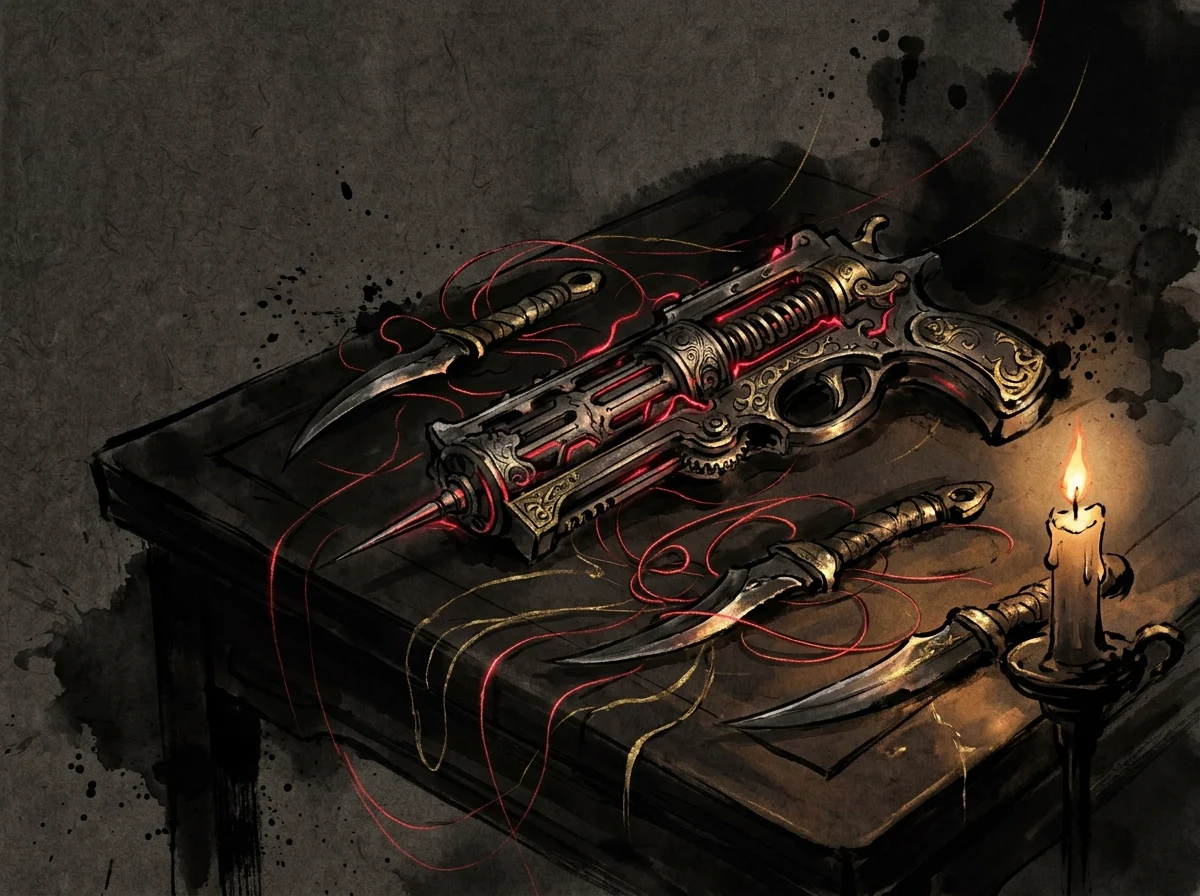
Hidden Weapons
Concealed inside sleeves, hairpins, umbrellas, or clockwork cylinders, Anqi (Hidden Weapons) turn distance, shadow, and poison into an art form.
 FIELD NOTE 23 / 48
弓弩机括
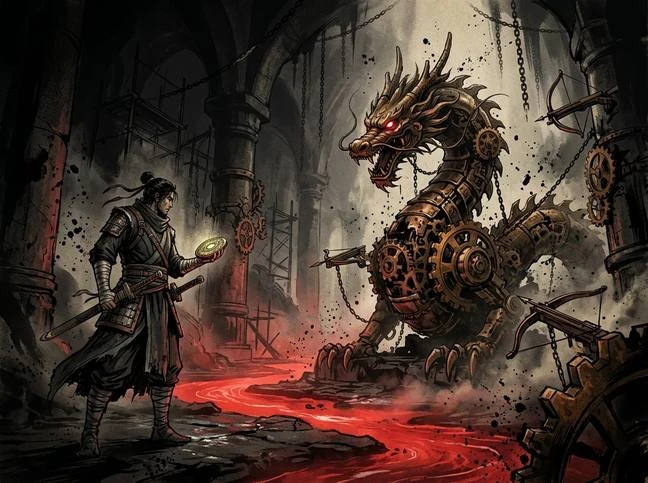
Bows and Crossbows
From Han dynasty precision bronze crossbow triggers to repeating sleeve-crossbows, mechanical archery bridges battlefield engineering and silent assassination.
FIELD NOTE 24 / 48
剑器形制
Anatomy of a Chinese Sword
Every part of a Chinese Jian—from the diamond-ridged spine and twin cutting edges to the zoomorphic guard (Jiange) and counterweighted pommel—is engineered for lethal balance.
FIELD NOTE 25 / 48
茶肆风云
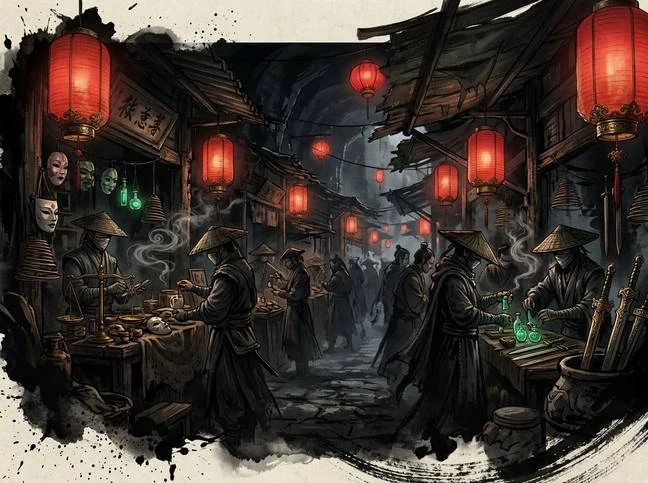
Tea Houses and Encounters
In the Jianghu, a roadside teahouse is never just a place for tea—it is an intelligence exchange, a coded negotiation table, and a powder keg waiting for a single spilled cup.
 FIELD NOTE 26 / 48
荒野客栈
Inns at the Crossroads
When night falls on a desert pass or flooded river crossing, the isolated Kezhan (inn) traps hunters and fugitives under one leaking roof until dawn.
 FIELD NOTE 27 / 48
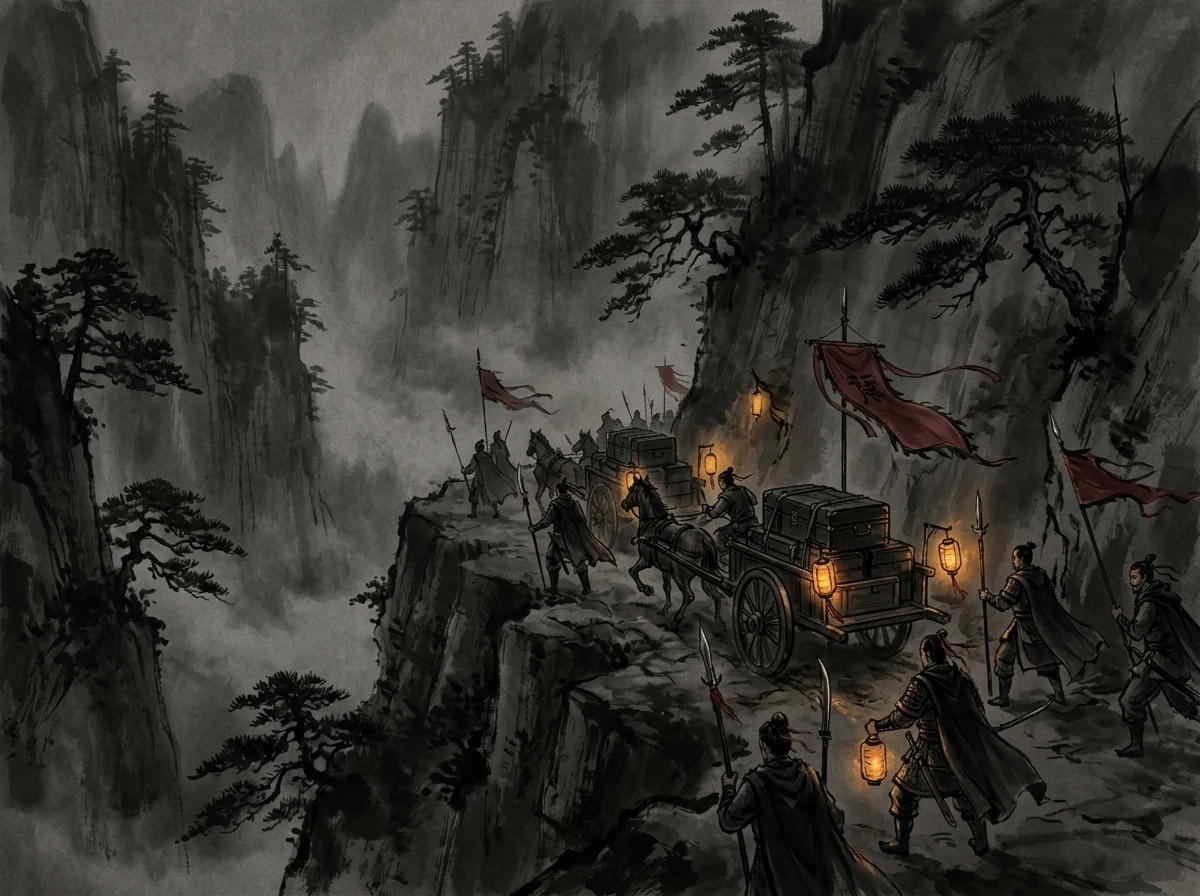
镖局押镖
Escort Bureaus (Biaoju)
Flying an embroidered clan banner above iron-bound chests, the Biaoju (Armed Escort Bureau) bridges legitimate commerce and the outlaw codes of the mountain road.
FIELD NOTE 28 / 48
江湖郎中与鬼医
Wandering Physicians
In a world of poisoned darts and shattered meridians, the eccentric Ghost Physician (Guiyi)—who heals with one hand and kills with the other—commands more fear than any sect leader.
FIELD NOTE 29 / 48
绿林与帮会
Secret Societies and Outlaws
From 'Greenwood' mountain outlaws (Lulin) to river-dock secret fraternities (Banghui), underground syndicates enforce their own shadow law through blood oaths and cipher tokens.
 FIELD NOTE 30 / 48
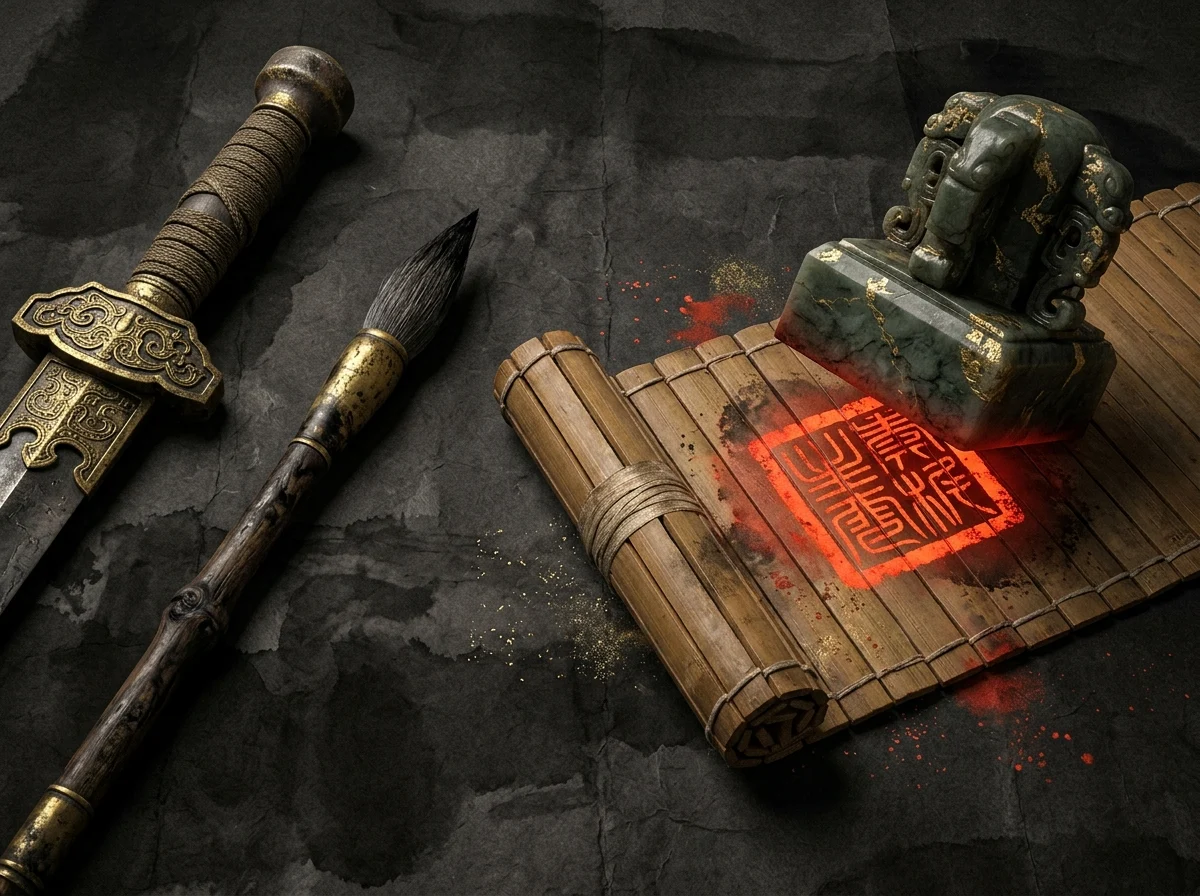
声名与书信
Roads, Letters and Reputation
In a realm without instant communication, a warrior's name travels ahead of their horse through crimson challenge letters, jade seals, and tavern ballads.
FIELD NOTE 31 / 48
游侠列传
The Youxia in Early Accounts
Over two thousand years ago, Sima Qian documented real historical knights-errant (Youxia) and assassin-retainers (Cike) whose audacity laid the foundation for all wuxia literature.
FIELD NOTE 32 / 48
武侠电影源流
The Rise of Wuxia Cinema
From 1928 Shanghai's 'Burning of the Red Lotus Temple' to Shaw Brothers' blood-drenched 'New School' wuxia, cinema gave the Jianghu its visual grammar.
FIELD NOTE 33 / 48
胡金铨武侠美学
King Hu and the Poetry of Action
Auteur director King Hu (Hu Jinquan) transformed screen swordplay into visual poetry—using Peking Opera percussion, bamboo groves, and architectural stillness to build unbearable tension.
 FIELD NOTE 34 / 48
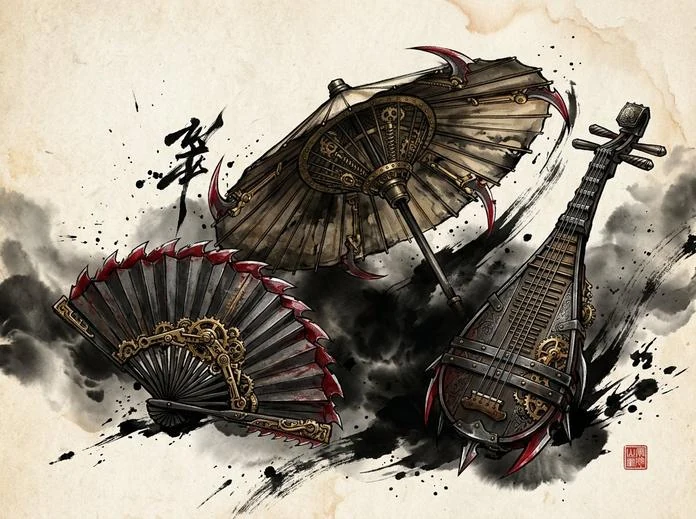
女侠
Women Knights-Errant
Never sidelined as damsels in distress, the Nüxia (Female Knight-Errant) has stood at the center of wuxia since Tang dynasty tales—wielding twin swords, lethal fans, and sovereign agency.
FIELD NOTE 35 / 48
金庸与古龙
Jin Yong and Gu Long
Jin Yong built grand historical symphonies of nation, lineage, and inner growth; Gu Long wrote rain-soaked noir thrillers of lonely assassins, cold wine, and one-strike kills.
FIELD NOTE 36 / 48
武术指导与镜头
How a Wuxia Fight Is Filmed
A great wuxia fight is a duet between fighter and camera—using wide framing, rhythmic impact cuts, and environmental destruction to make twenty moves per second completely legible.
FIELD NOTE 37 / 48
太极拳与以柔克刚
Taijiquan and Martial Lineage
Rooted in the Daoist principle of 'Using Softness to Overcome Hardness' (Yi Rou Ke Gang), Taijiquan turns an attacker's own momentum into their undoing.
 FIELD NOTE 38 / 48
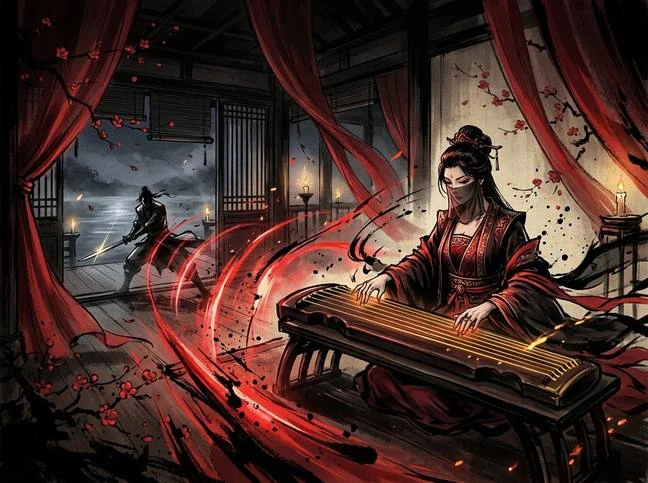
古琴与音律杀机
Guqin and the Scholar's World
First of the Scholar's Four Arts, the seven-stringed Guqin zither is both an instrument of solitary mountain contemplation and—in wuxia legend—a weapon of acoustic Qi blades.
FIELD NOTE 39 / 48
阴阳造化
Yin and Yang in Storytelling
Cold and heat, shadow and flame, deception and directness—Yin and Yang are not good versus evil, but the dynamic polarity governing wuxia combat and internal alchemy.
 FIELD NOTE 40 / 48
戏曲脸谱与易容
Faces, Masks and Chinese Opera
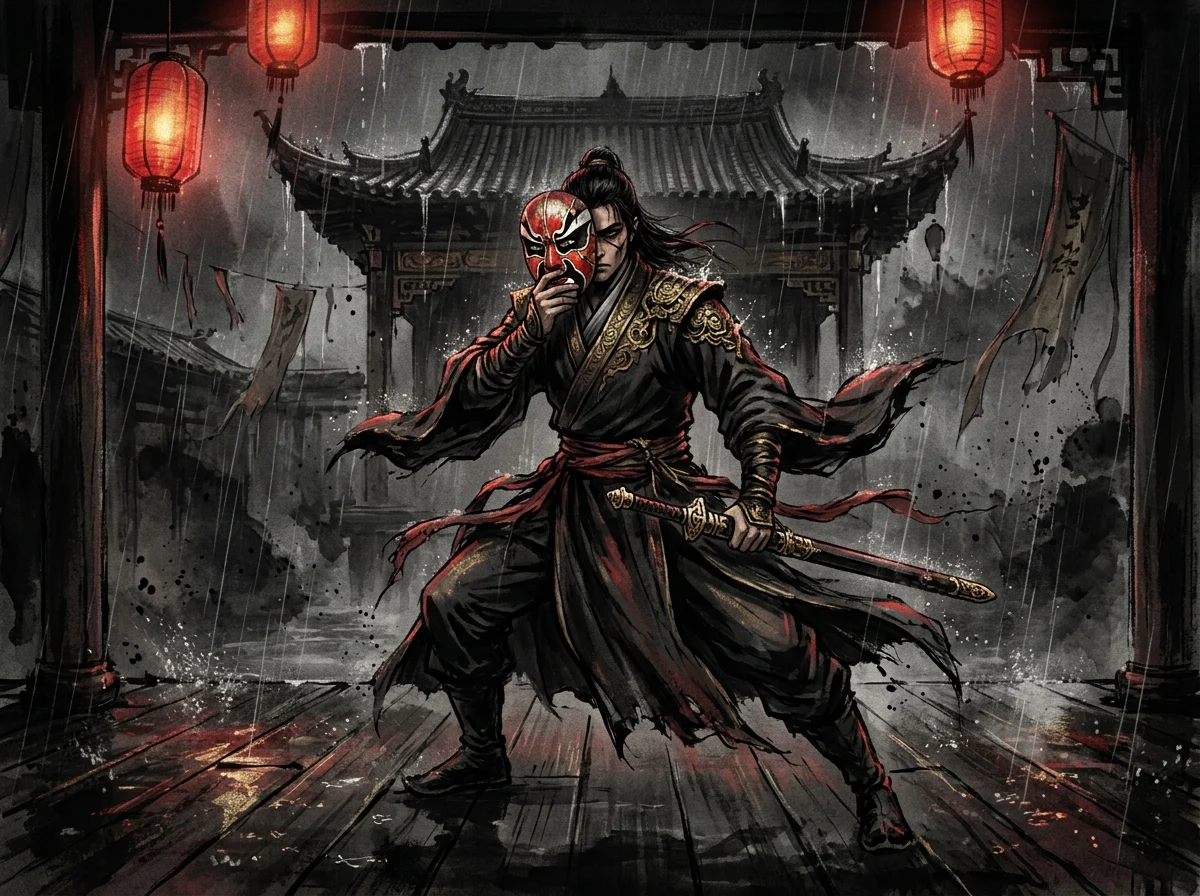
From painted opera臉譜 (Lianpu) that broadcast loyalty or treachery in bold vermilion and chalk-white, to human-skin masks (Yirong) that steal a dead man's face, the Jianghu is a stage of shifting identities.
 FIELD NOTE 41 / 48
醒狮与武馆
Lion Dance and Martial Performance
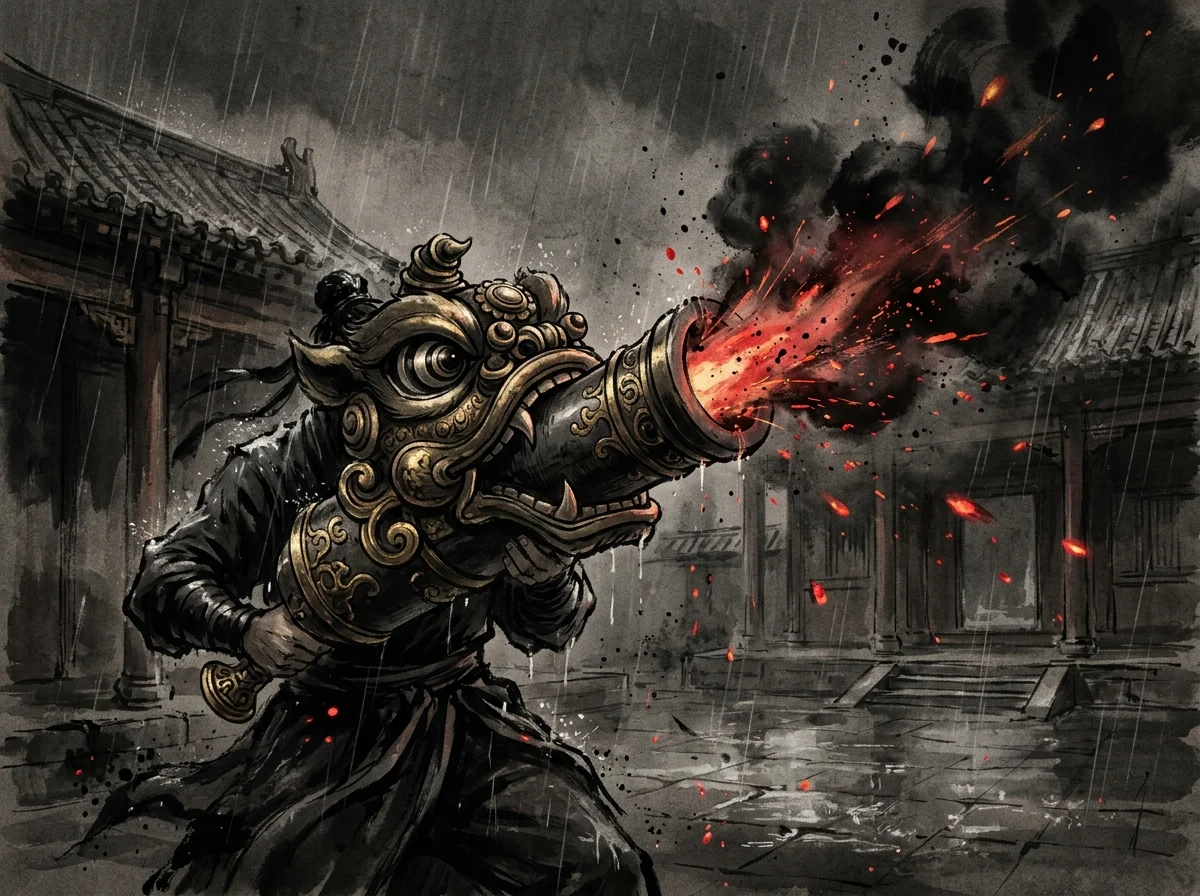
In southern martial halls (Wuguan), the Cantonese Awakening Lion (Xingshi) is no mere festival costume—it is a high-altitude test of horse-stance power, pole-leaping agility, and Kungfupunk firepower.
FIELD NOTE 42 / 48
剑胆琴心与水墨
Calligraphy, Ink and the Warrior
The wolf-hair brush and the double-edged sword share the same wrist mechanics: pause, explosive release, flying-white negative space (Feibai), and the irreversible trace of intent.
 FIELD NOTE 43 / 48
功夫朋克
Kungfupunk
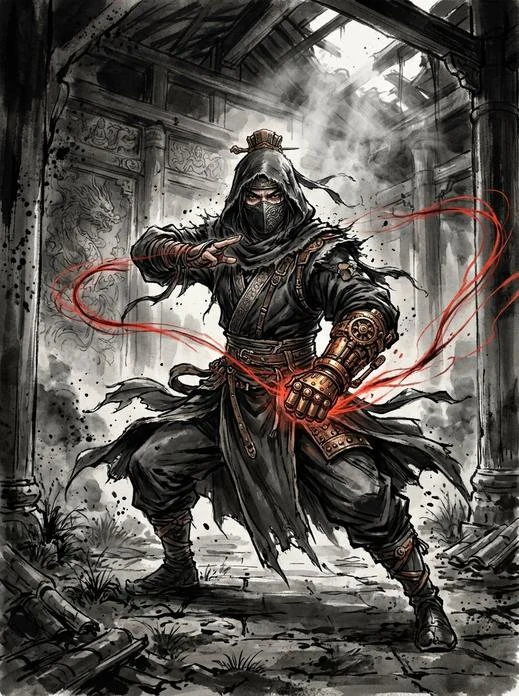
Coined by S-GAME creator Soulframe Liang, 'Kungfupunk' fuses traditional Chinese martial arts choreography with steampunk clockwork prosthetics, occult folk horror, and Sha-Chi blood boilers.
FIELD NOTE 44 / 48
动作武侠游戏
Wuxia and Modern Action Games
Why Phantom Blade Zero is NOT a traditional Soulslike: how modern Chinese action RPGs solve the 30-year challenge of turning 20-move-per-second wuxia combos into responsive player control.
FIELD NOTE 45 / 48
中式民俗志怪
Folk Horror in a Wuxia World
Red wedding candles in an empty village, paper effigies whispering in the rain, and human-faced banyan trees—Chinese folk horror (Zhongshi Minsu) turns ancient rituals into chilling wuxia encounters.
FIELD NOTE 46 / 48
六十六日死局
Sixty-Six Days: A Narrative Hook
Revived with a cursed heart and given exactly 66 days to live, Soul's countdown in Phantom Blade Zero embodies wuxia's ultimate dramatic engine: the dying master racing the reaper.
 FIELD NOTE 47 / 48
墨家机关与傀儡
Fantastic Engineering and Weapons
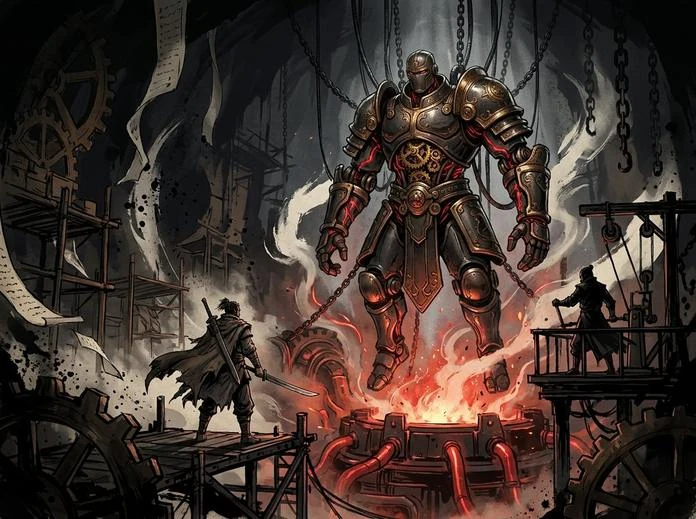
From ancient Mohist siege defenses (Mojia Jiguan) to Pangzhen's brass clockwork puppet foundries, mechanical ingenuity has always been the secret third pillar of wuxia power.
FIELD NOTE 48 / 48
剑影入屏
From Swordplay to Screens
For a century, the Jianghu lived in ink novels and cinema reels; today, global players step inside the rain and draw the blade themselves.
No matching notes found. Try a broader term such as "sword", "qi", "sect", or "jianghu".